A concept inspired by Olympic Agenda 2020
The Milano Cortina 2026 candidature was inspired by the IOC’s Olympic Agenda 2020 reforms that reposition the Olympic Games as more sustainable, flexible and efficient, from both an operational and a financial standpoint, while offering additional long-term value for host cities, regions and countries.
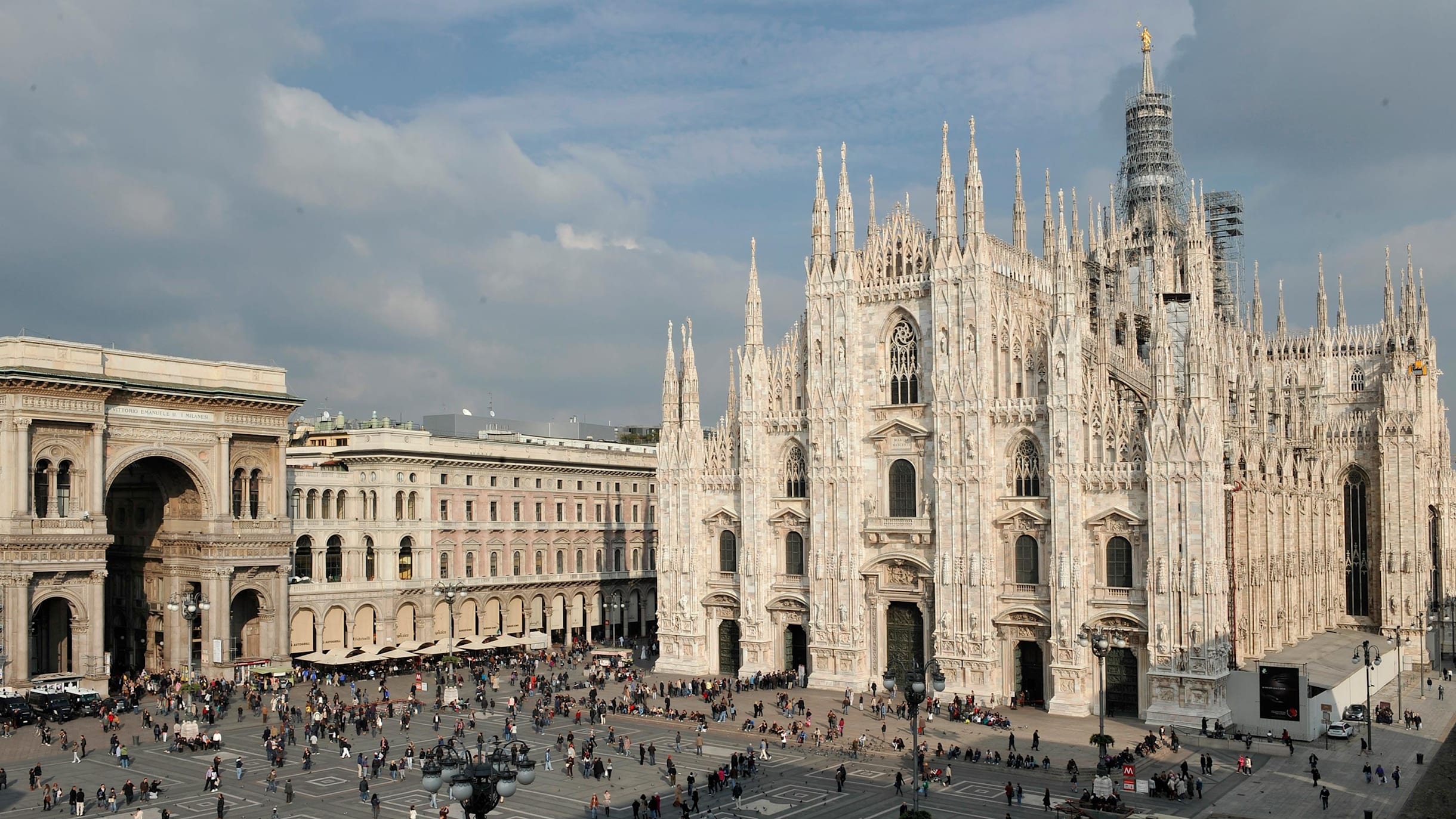
For the first time, two Olympic host cities, Milan and Cortina, supported by two regions (Lombardia and Veneto) and two autonomous provinces (Trento and Bolzano/Bozen), will combine to deliver memorable Games that will be conducive to greater cooperation in the entire alpine macro-region.
The Venues of Milano Cortina 2026
The winter resorts and outdoor sporting destinations of not only Cortina, but also Bormio, Livigno, Tesero, Predazzo and Anterselva/Antholz will host events. In Milan, the cauldron will be lit as the Olympic flame arrives for the Opening Ceremony at San Siro Stadium. More than 75,000 spectators will be treated to what is certain to be a grandiose spectacle of Italian culture, spirit, passion and pride.
Stars from the National Hockey League will return to the Olympic Winter Games for the first time since Sochi 2014, hitting the ice at the new Milano Santagiulia Arena and the temporary Milano Rho Ice Hockey Arena. Figure skaters will dazzle at the Forum di Milano, also the venue for short track speed skating. Long track speed skaters will race around a 400m oval that will be installed at the Milano Rho Exhibition Centre, a temporary Olympic venue where the second ice hockey rink will also be installed. Ski mountaineering will make its Olympic debut, with thrilling sprint races and a mixed gender relay event in Bormio. And finally, athletes will parade at the Closing Ceremony in the ancient Verona Arena, built in 30 AD.
Milano Cortina 2026 CEO Andrea Varnier previews next Winter Games: 'The mountains at their best and the city as well'
Andrea Varnier, the Chief Executive Officer of Milano Cortina 2026, elaborated upon the golden opportunity and potential game-changing Winter Olympics that await Italy. He emphasises that athletes remain at the heart of the Games. “To guarantee the best possible scenario for the athletes, who are the real protagonists of the Games, we have focused on the skill and know-how already present in our territories and their experience in staging major international sports events,” Varnier says.
There are many challenges in terms of organisation and logistics, but it’s exactly this proficiency at the local level that is one of the driving forces for the success of Milano Cortina 2026. In addition, we have the great opportunity to present a new delivery model, in line with the strategic objectives of Olympic Agenda and the IOC reforms. Regarding the Winter Games, we are indeed a pioneering edition.
The first of IOC President Thomas Bach’s 40 Olympic Agenda 2020 reforms – adopted in December 2014 – focuses on empowering cities to benefit from Olympic projects that best fit their sports, economic, social and environmental long-term planning needs. Utilising existing venues is paramount. Milano Cortina 2026 appears on track to be a beneficiary of this concept and philosophy.
“Our Organising Committee's approach on the sport facilities has been focused on existing or temporary venues, following Olympic Agenda 2020,” Varnier says. “Hosting the Olympic and Paralympic Winter Games represents a key opportunity for Italy, 20 years after the virtuous example of Torino 2006. Our country has a great tradition, not only in terms of winter sports and the organisation of major events, but also in the arts, culture, lifestyle and food.”