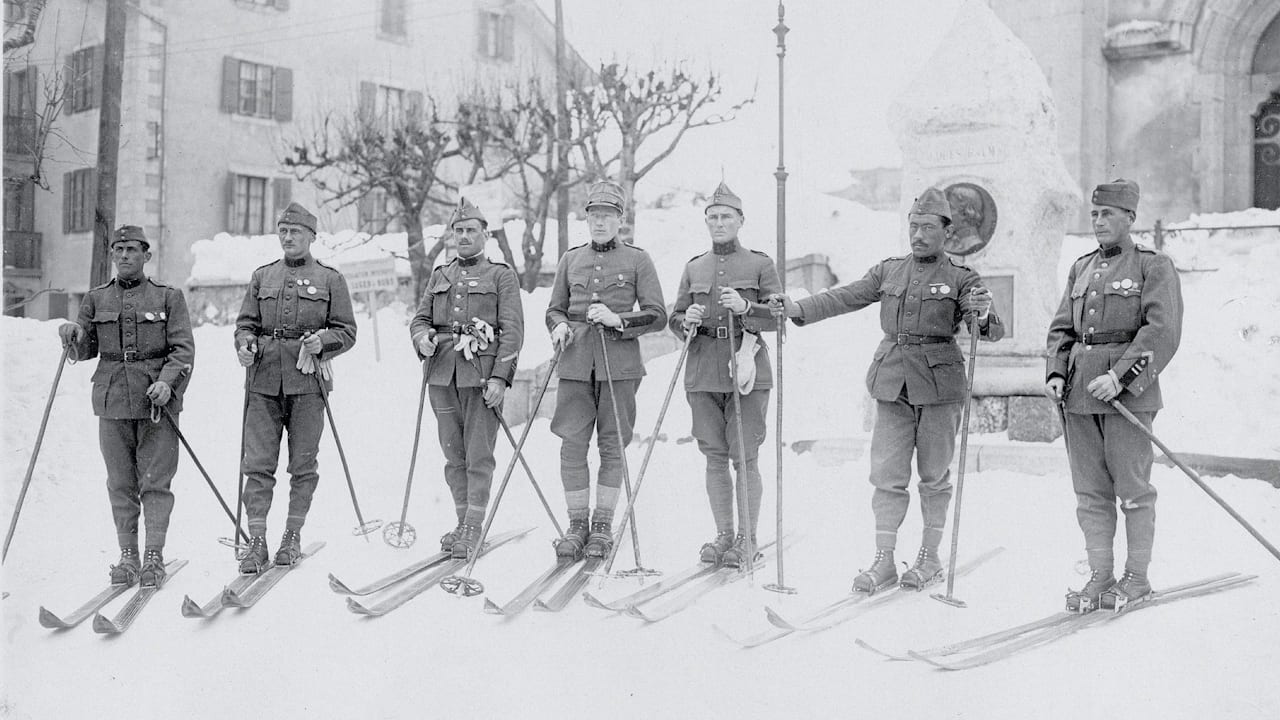
The story of the Olympic Winter Games began in a French mountain resort that sits at the foot of Mont-Blanc, the highest of all Alpine peaks. It was there that 258 athletes from 16 national teams gathered to compete in 16 events in nine disciplines. From those relatively modest beginnings, the Winter Games grew and grew. When, some 98 years later, Beijing 2022 hosted the XXIV Olympic Winter Games, it brought together no fewer than 2,897 athletes from 91 NOCs, with 109 events on the programme in 15 disciplines across 19 days of competition. Those figures are an indication of the truly global appeal that winter sports and the Olympic Winter Games enjoy today.
The town’s international reputation can be traced back to the maiden ascent of Mont-Blanc in 1786 and the writings of British visitors, who expressed their admiration of the valley’s high peaks, glaciers, and unique wildlife. The opening of the railway line serving the Chamonix valley in 1901 further boosted visitor numbers during the winter months. Keen to tap into the resort’s heritage and its greatest asset, the local council renamed it Chamonix-Mont-Blanc in 1921. When the Olympic Winter Games arrived three years later, Chamonix was ready and able to make the most of the occasion.
Chamonix marked its centennial anniversary of the inaugural Olympic Winter Games during a season of celebrations beginning in 2023 and culminating on Olympic Day, 23 June 2024, with the Mont-Blanc stage of the Paris 2024 Olympic Torch Relay.
The extensive anniversary programme featured high-performance sports events like the FIS Ski-Alpinism European Championship and the Kandahar FIS Alpine Skiing World Cup stage, alongside community events such as an ice-skating gala and a curling tournament. Cultural exhibitions, notably at the Maison de la Mémoire et du Patrimoine, highlighted Chamonix 1924's history and impact. The celebrations, capped by the sharing of a birthday cake, also introduced a new emblem inspired by the original 1924 brand assets, unifying the centenary activities and promoting the legacy for future generations.
Chamonix 1924 boosted the Olympic Movement at an important time in its development, allowing nations to come together and continue the healing process that followed the First World War. It also provided a platform for the development and growth of the French resort as a winter sports destination. In the years that followed the 1924 Games, Chamonix harnessed the growing popularity of Alpine skiing and proved itself every bit as prestigious and appealing to visitors as more established resorts elsewhere in the Alps.
Chamonix is also facing the challenges posed by climate change. Rising temperatures have affected the town’s daily life and natural surroundings. In response, Chamonix is collaborating with local and international partners to address these changes. Initiatives include promoting renewable energy, renovating buildings for energy efficiency, enhancing green mobility with improved public transport and biking infrastructure, and raising public awareness about environmental protection. In line with these initiatives, Chamonix also serves as an important centre for scientific research on climate change in high-altitude regions and glaciers. These initiatives, beyond being a legacy of the past, are also a firm commitment to secure a sustainable future for winter sport.